


Choosing breathable activewear for women in a hot climate comes down to three things beyond the fabric label: a fit that lets air travel, coverage that stops fabric rubbing where skin meets skin, and a waistband that stays where you put it. Most women already know to avoid cotton for a hard session. Far fewer get the fit right.
|
Key Takeaways
|
Start with fabric, but do not overthink it
Quick version: polyester and nylon blends pull sweat to the surface where it evaporates, cotton absorbs it and holds on. For anything that genuinely soaks you, choose a wicking synthetic. For a walk, a yoga class or an air-conditioned strength session, cotton is the more comfortable fabric against skin.
That is the whole rule, and if you want the full reasoning our guide on how AirDry and cotton actually perform across different activities breaks down what each fabric does in Indian heat. What that guide does not cover, and what decides whether you actually keep wearing a set, is everything below.
What fit works best when it is hot?
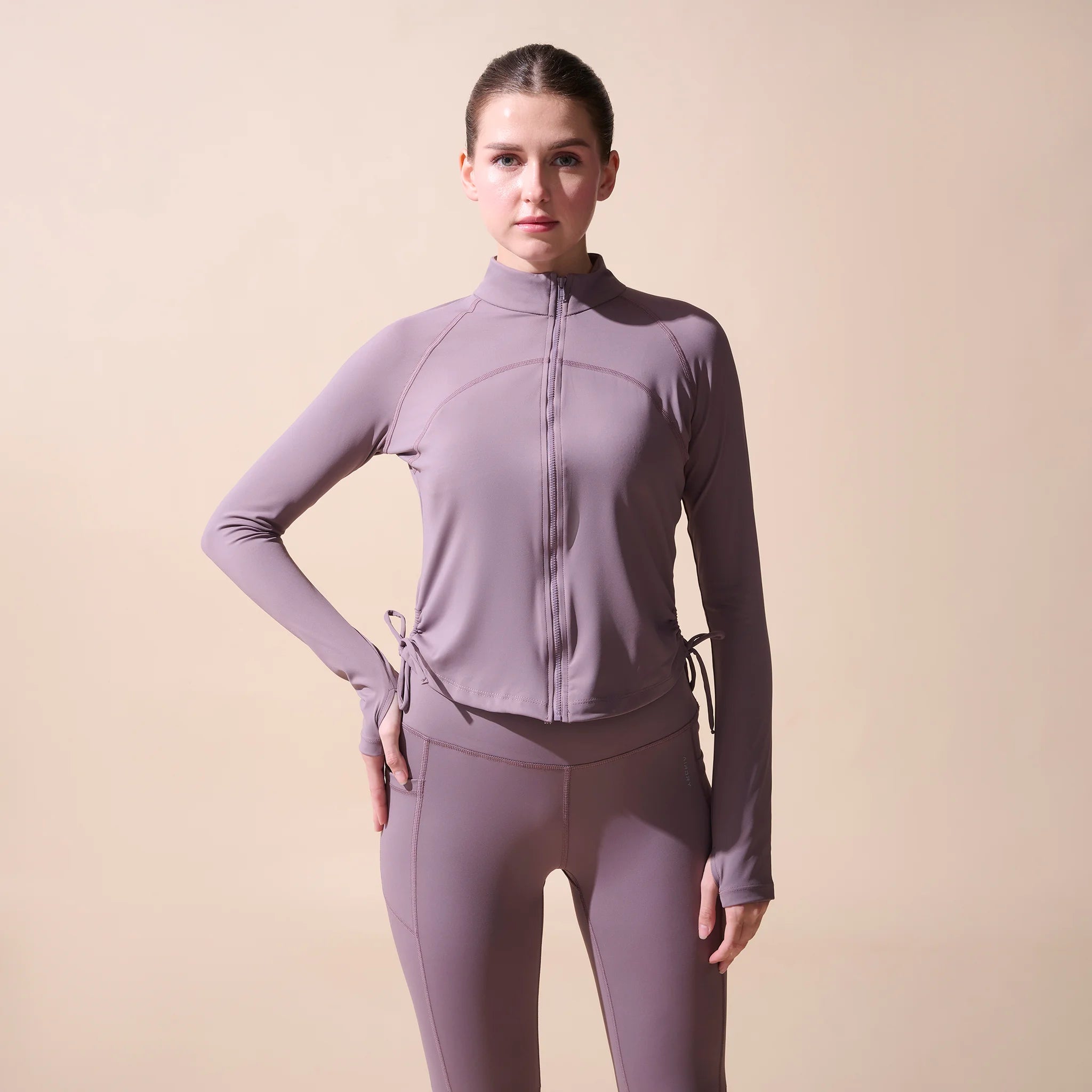
A skimming fit, in almost every case. Air needs a small gap between fabric and skin to move at all, so a compression-tight top traps heat against you. But a genuinely loose top flaps, bunches at the waist and rubs under the arm. Skimming sits between the two.
|
What to Pick |
Why it Works |
What to Avoid |
|
A relaxed or regular-fit tee on top with a fitted bottom. |
The top lets air move across your back and chest, where you sweat first, and the fitted bottom stops fabric riding up between the thighs. |
An oversized tee with wide-leg pants on a run. Nothing holds either layer still. |
|
A wide high-rise waistband rather than a low or thin one. |
It stays put when you bend, so you are not adjusting it mid-set, and there is no roll-down band sitting damp against your stomach. |
A narrow elastic drawstring. Once it is wet, it digs in and stays there. |
|
A top with mesh or ventilated panels across the upper back. |
That is where heat builds first, and it is the one place a panel earns its cost. |
fully lined tops in summer. The lining cancels the ventilation you paid for. |
Leggings or shorts: which is actually better in hot weather?
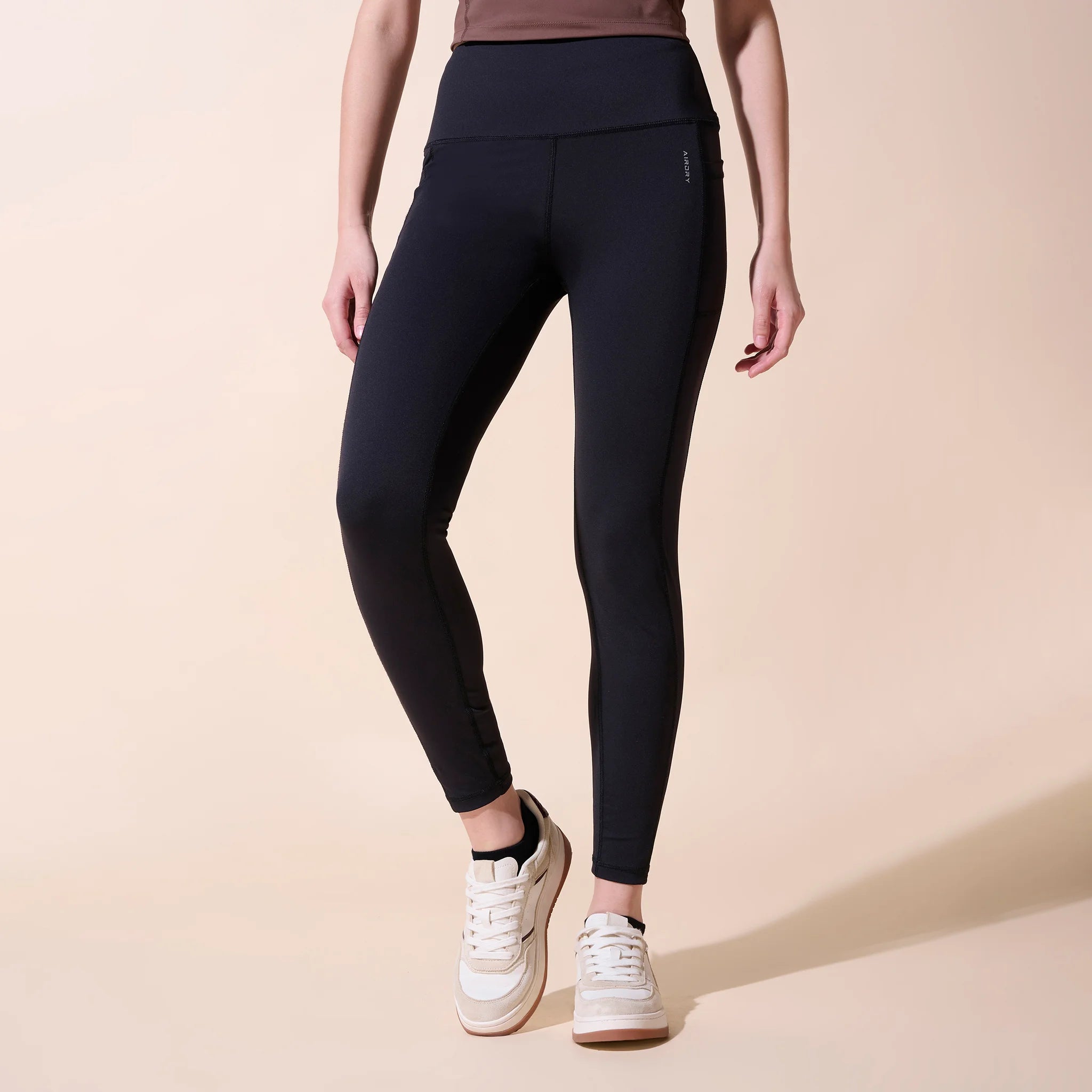
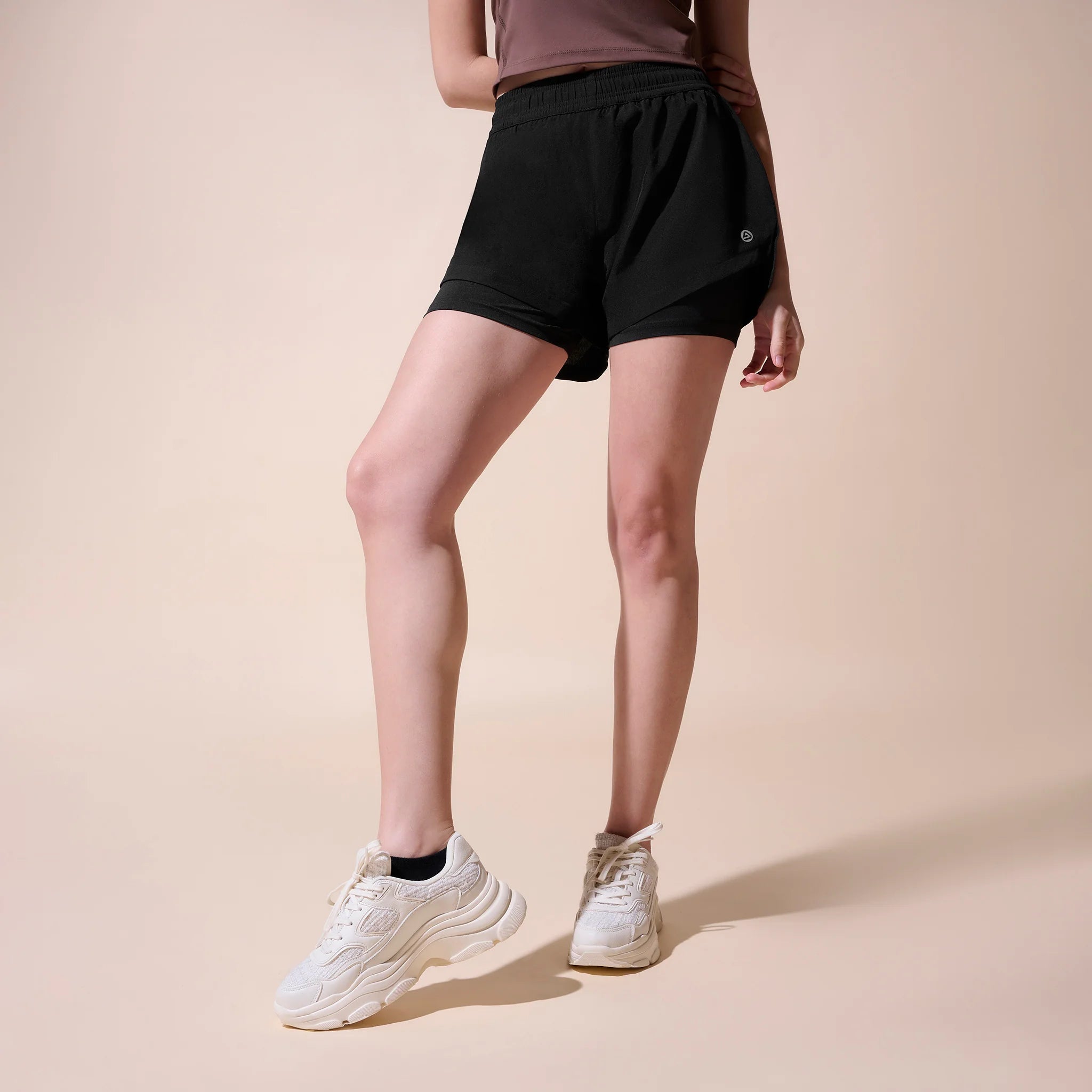
Shorts if you are outdoors, leggings if you chafe. This is less obvious than it sounds, because bare legs cool faster but also rub against each other, and chafing is the single most common reason women go back to leggings in peak summer.
|
What matters |
Shorts |
Leggings |
|
Cooling outdoors |
High, most skin exposed |
Medium, depends on fabric weight |
|
Chafing between thighs |
Higher risk unless they have in-built tights |
Low, fabric prevents skin on skin |
|
Sun exposure on a midday run |
More skin exposed |
Full coverage |
|
Wearing to and from the gym |
Medium |
High |
|
Best pick |
Outdoor running and cardio |
Gym sessions, yoga, anyone who chafes |
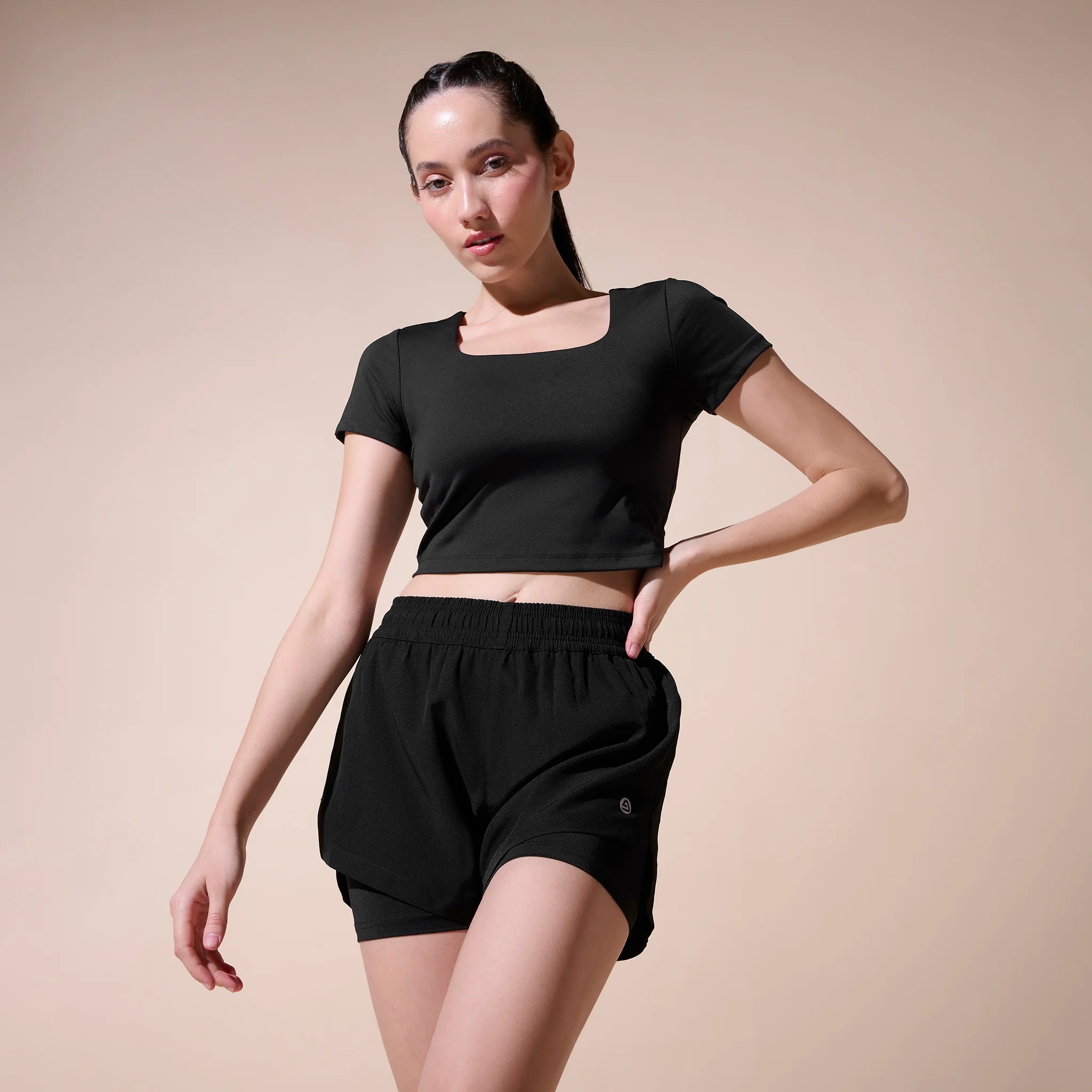
Running shorts with in-built tights are the practical middle answer, and worth knowing about if you have written off shorts entirely. You get the airflow of shorts with an inner layer doing the job leggings do. Style Union's Stride and Glide shorts are both built this way.
|
Quick reference: what to wear by activity in hot weather
|
Does colour make a difference outdoors?
A small one. Lighter shades reflect more sunlight and dark ones absorb it, but the effect is smaller than most articles claim, and fit and fabric weight matter more. Treat it as a tiebreaker between two tees you already like. Sage, light blue, off-white and grey all work well.
Indoors, colour changes nothing about temperature, so choose on sweat marks instead. Black hides them best. Mid-grey shows them worst, which is worth knowing before you buy a grey tee for a spin class.
When you train matters more than what colour you wear
This is the decision almost nobody writes about. Between April and June across most of north India, and through the humid stretch from June to September along the coasts, a 6am session and a 6pm session are completely different workouts in identical clothes.
If you can only train in the evening, prioritise wicking above everything else, because the air is already saturated and will not help you. If you train at dawn, you have more freedom, and a cotton-blend tee is genuinely fine. Our guide to the best activewear for gym and running in Indian conditions goes further into what to look for if you train seriously through summer.
How do you keep it wearable past one season?
Wash it soon after wearing, turn it inside out, use cold water, and skip the fabric softener. Softener leaves a coating that clogs the fibre and blocks wicking, which is why older gym wear both smells worse and dries slower. In peak coastal humidity, a cotton set often does not fully dry overnight, and that is how a wardrobe starts to turn. Air-dry in the shade rather than tumble drying on high heat.
Building a hot-weather set that actually gets used
You need less than you think. Two wicking tees, one pair of tights, one pair of shorts and one relaxed cotton tee will cover almost any week. Buy the wicking pieces first, because those are the ones a hot climate punishes you for skipping.
The pieces also do not have to stay in the gym, which is where most of their value sits. A wicking tee with jeans reads as a normal outfit, and our guide on styling AirDry t-shirts for everyday wear has combinations that work well beyond training. For full outfits through the hottest months, the athleisure outfit ideas for summer guide is a useful companion.
Style Union's women's athleisure range is built around this split, with lightweight moisture-wicking AirDry styles for the sweaty sessions and cotton and cotton-blend joggers and tees for everything around them, from ₹249 to ₹1,299, with no discounts, no fake sales and no inflated tags behind those numbers.
Activewear is also the category where trying it on genuinely matters. A waistband that rolls or a seam that rubs will not show up in a photograph, and you will only find it four kilometres into a run. That is worth using our 170+ stores across India for, and worth reading the fit notes inside our 16 lakh+ Google reviews and 4.8-star rating before you order online. Never Blend In.


